

I AM A CATALAN - OMNIUM CULTURAL
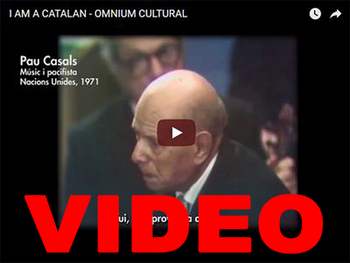 Freedom, democracy and respect for human rights.
These are Europe’s founding values. Values that were achieved at great cost. Values that are under attack right now. Catalonia has always been at the forefront of Europe’s values. Our country has always cared about social rights.
That’s why we have gladly created an open-minded society compound by people from all over the world. We were pioneers in the fight for women’s rights and in the creation of the most advanced public schools. We demonstrate en masse against wars. We are Europe. We are Europe’s values. We believe in Europe’s future.
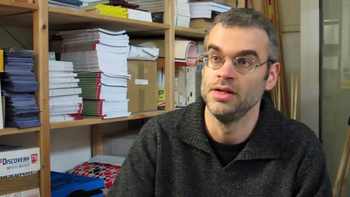
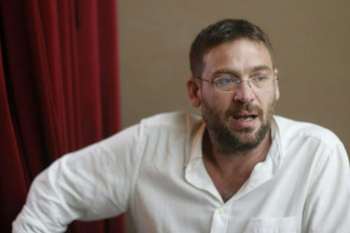 Albano Dante Fachin (Bahía Blanca, Argentina, 1976) atiende a CTXT después de su dimisión como secretario general de Podem y el arrollador triunfo del Sí en la consulta convocada por la dirección estatal de Podemos sobre la integración de Podem en la candidatura de Catalunya en Comú para las elecciones autonómicas del 21 de diciembre. Justo después de la entrevista, Fachin viajó a Madrid para acompañar a la presidenta del Parlament, Carme Forcadell, citada a declarar ante el Tribunal Supremo, acusada de delitos de rebelión, sedición y malversación.
 1. Golpe de Estado impulsado por el propio Estado. Ésta es la manera más sencilla de definir la batería de medidas que el gobierno de Mariano Rajoy, con el apoyo de PSOE y Ciudadanos, hizo públicas este pasado viernes y que someterá a aprobación del senado el próximo día 27. Más que la aplicación del incierto artículo 155 lo que Rajoy anunció es la suspensión de facto del autogobierno catalán en su conjunto utilizando el artículo 155 como pretexto legal. La ausencia de precedentes en su implementación, junto al clima de excepcionalidad institucional del momento, permite así al gobierno español tomar decisiones, no sólo autoritarias y anti-democráticas, sino de dudosa constitucionalidad. El poder violenta sus propias normas al amparo de la fuerza y de la creación de una situación excepcional. Activa las válvulas de seguridad de las que dispone para enrocarse en momentos difíciles y cambiar las reglas del juego desde la legitimidad de las antiguas y con la promesa de defenderlas. Bajo un clima de excepción se toman así medidas que en sí mismas suponen la subversión del orden anterior, pero en su propio nombre y legitimidad, con el fin de maniobrar para alterar la dinámica política y social catalana y volver a una nueva normalidad de contornos más favorables al Estado. Ataque frontal a la democracia, en nombre de la democracia y para desembocar en una nueva normalidad democrática donde todo transcurra por cauces aceptables tras haber puesto orden durante un periodo de excepción. Todo ello es, lejos de una anomalía extraña, un ejemplo claro de la naturaleza de la Ley y del Estado capitalista en general (y del régimen político español de 1978 en particular) que desmonta de un plumazo todas las visiones fetichistas y bobaliconas de la ley, la legalidad y las instituciones a las que tanto nos hemos acostumbrado en tiempos de normalidad rutinaria. Sin duda, desde hace semanas asistimos a un cursillo acelerado y práctico de teoría del Estado, que fuerza a una maduración estratégica acelerada de un movimiento cuyo sentido común evitó toda visión de choque con el Estado en favor de una placentera desconexión 1/.
 Based on El Lissitsky, “Beat the whites with the red wedge”, 1919
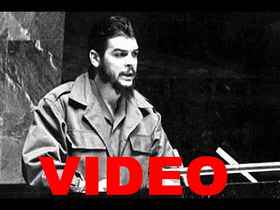 “Porque esta gran humanidad ha dicho basta y ha echado a andar. Y su marcha, de gigantes, ya no se detendrá hasta conquistar la verdadera independencia, por la que ya han muerto más de una vez inútilmente.”
 After the referendum held on 1 October in Catalonia and the victory of Yes in favour of the independence of Catalonia, despite the great legal, judicial and police difficulties imposed by the government of the Popular Party, there has been the strike (mainly followed in the administrations, transport and rural areas) and a national stoppage (with lockouts in small and medium-sized enterprises in protest against repression) by other layers of the population on 3 October. The first result is a victory of the popular movement and a defeat of the Rajoy government that could not prevent these two great expressions of the movement.
 1. Tras cinco años de eterno procés, en el que la grandilocuencia gestual de sus actores era proporcional a la extraordinaria lentitud de los hechos y a su voluntad constante de evitar un choque decisivo con el Estado, hemos entrado al fin en el momento de la verdad. No en el capítulo final de la película, pero sí en un pasaje cardinal para determinar el desenlace. "El proceso terminó, ahora empieza el Mambo", resumió la CUP en una feliz expresión esta mutación de la situación. Un mambo que, no olvidemos, debería haber empezado en 2014 si el gobierno de Artur Mas no hubiera hecho marcha atrás a las primeras de cambio en noviembre de aquél año cuando renunció a intentar realizar el referéndum ("consulta", en el lenguaje de la época) tras su prohibición por el Tribunal Constitucional. Elección equivocada que, sorpresivamente, apenas encontró resistencia alguna entre los otros actores del proceso (con la excepción inicial de ERC) que no han hecho balance público alguno de ello ni explicado las razones del rodeo a ninguna parte de estos tres últimos años[1].
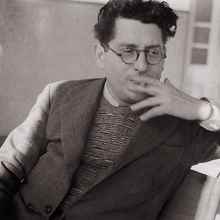 El pueblo que oprime a otro no puede ser libre.
 On 20 September 2017, the Civil Guard and the Spanish National Police arrested 14 senior officials of the Generalitat (the Catalan government) and carried out 40 searches of public buildings and private homes. A police operation then seized propaganda material of the CUP (Candidatura de Unidad Popular, the main party of the pro-independence left) and, without any legal authorisation, surrounded its headquarters for the whole day, for no reason other than provocation. Following the prosecution of more than 700 Catalan mayors who support the referendum on
  La política se vuelve a teñir de blanco y negro y desprende un viejo olor a naftalina. Lo vemos desde hace días en Catalunya. El 'imperio de la ley' defendido a capa y espada por las fuerzas del Estado para impedir el referéndum nos está llevando a un peligroso regreso al pasado.
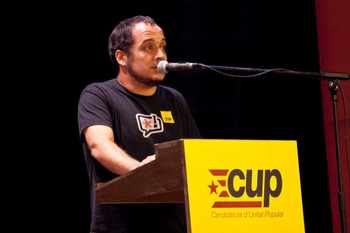 David Fernández lleva una agenda frenética. Está echando el resto en estos días previos al 1-O, cuando está convocado el referéndum de autodeterminación unilateral por el Govern catalán. Este exdiputado de la CUP, recordado por su cara a cara con Rodrigo Rato en una comisión de investigación del Parlament, en la que le llamó a la cara gángster, regresó después de su paso por la institución a los movimientos sociales en los que tantas luchas había llevado a cabo. Participa en la Coop57, periodista y escritor, colabora con diferentes medios de comunicación, especialmente con La Directa.
 El Parlament de Catalunya ha aprobado la ley que da cobertura a la convocatoria del referéndum del 1 de octubre. Consideramos esta ley legítima, respaldada por la voluntad de la mayoría de la sociedad catalana que quiere ejercer el derecho a decidir, incluso desobedeciendo a la legalidad injusta y represiva del régimen.
 'Habemus referendum'. Tras cinco años de movimiento independentista y tres desde que se hizo el 9-N, ahora sí se ha puesto toda la carne en el asador para que el 1 de octubre se pueda votar. La argumentación y la contrargumentación sin fin este miércoles en el Parlament, al más puro estilo filibusterista, son la mejor imagen de la desesperación de algunos para evitar lo que ya es inevitable. Nadie sabe si el referéndum se llegará a hacer o si la maquinaria represiva que se desencadenará podrá detenerlo. Lo que es seguro es que vamos hacia una colisión institucional y política inédita.
  Now is exactly the time to talk about climate change, and all the other systemic injustices — from racial profiling to economic austerity — that turn disasters like Harvey into human catastrophes.Turn on the coverage of the Hurricane Harvey and the Houston flooding and you’ll hear lots of talk about how unprecedented this kind of rainfall is. How no one saw it coming so no one could adequately prepare.
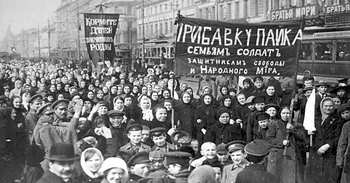 In February 1918, the repudiation of the debt by the Soviet government shocked international finance and sparked off unanimous condemnation by the governments of the great powers.