Diego Rivera et Frida Kahlo artistes révolutionnaires
Michael Löwy
![Diego y Frida]() Diego Rivera (1886-1957) et Frida Kahlo (1907-1954) étaient des artistes révolutionnaires, c'est-à-dire des individus profondément engagés dans les combats politiques de leur époque, un engagement qui se traduit directement dans - une grande partie de - l'œuvre murale du premier, mais beaucoup moins dans ses peintures de chevalet. L'œuvre de Frida Kahlo est quant à elle authentiquement subversive, mais cela ne s'exprime pas, sauf pour la toute dernière période de sa vie, en des termes politiques traditionnels. Elle ne contient pas moins une sorte de protestation féministe contre la condition des femmes dans les sociétés patriarcales modernes. Ses tableaux sont personnels, autobiographiques, intimes, mais si l'on considère, l'instar du mot d'ordre fémi-niste, que «le personnel est politique», sans doute l'art de Kahlo traduit-il le désir d'affirmation des femmes : elle rompt de manière provocatrice avec l'imagerie traditionnelle de la féminité, en représentant l'accouchement, l'avortement, le fœtus, et d'une façon générale l'expérience féminine de la souffrance corporelle. Aucun des deux n'a participé à la Révolution mexicaine : Frida, née en 1907, était trop jeune, et Diego était alors en Europe. Elle ne constitue pas moins l'arrière-plan de leur engagement. On présente parfois l'histoire de cette révolution comme une succession de meurtres et d'assassinats : un soulèvement populaire renverse le dictateur Porftrio Diaz en 1911; le démo-crate Francisco Madero assume la prési-dence, mais il est assassiné par le général Victoriano Huerta en 1913. Contre la dictature de ce dernier se soulèvent Emi- liano Zapata dans le Sud et Pancho Villa dans le Nord, ainsi que l'armée constitu-tionnaliste de Venustiano Carranza et d'Âlvaro Obregôn. Ils renversent Huerta, mais bientôt la guerre civile éclate entre Zapata et Villa d'une part, Carranza et Obregôn de l'autre. Carranza fait assassiner Zapata en 1919, puis est tué par Obre- gôn en 1920. Retiré dans sa ferme, Villa est assassiné en 1923 par les hommes d'Obregôn, qui est tué à son tour en 1928, par un catholique fanatique. Cette chronique sanglante n'est pas fausse, mais il manque l'essentiel : première révolution sociale du xxe siècle, la Révolution mexicaine a profondément bouleversé les structures économique, sociale, politique et culturelle du pays. Cette «révolution interrompue» - selon l'expression de l'historien Adolfo Gilly - atteint son apogée quand les forces les plus radicales, celles de Zapata et de Villa, occupent pour quelques mois, en 1914-1915, la capitale du pays. Cette aile paysanne et populaire de la Révolution sera vaincue, mais ses adversaires devront promulguer en 1917 une Constitution qui compte parmi les plus avancées de l'époque : réforme agraire, lois de protection sociale, droit de grève, contrôle du commerce extérieur, séparation de l'Église et de l'État. À partir de ce moment, la Révolution «s'institutionnalise», et connaîtra une sorte de prolongement sous la présidence de Lazaro Cardenas (1934-1940), qui nationalisera le pétrole, approfondira la réforme agraire et établira l'éducation socialiste.
Diego Rivera (1886-1957) et Frida Kahlo (1907-1954) étaient des artistes révolutionnaires, c'est-à-dire des individus profondément engagés dans les combats politiques de leur époque, un engagement qui se traduit directement dans - une grande partie de - l'œuvre murale du premier, mais beaucoup moins dans ses peintures de chevalet. L'œuvre de Frida Kahlo est quant à elle authentiquement subversive, mais cela ne s'exprime pas, sauf pour la toute dernière période de sa vie, en des termes politiques traditionnels. Elle ne contient pas moins une sorte de protestation féministe contre la condition des femmes dans les sociétés patriarcales modernes. Ses tableaux sont personnels, autobiographiques, intimes, mais si l'on considère, l'instar du mot d'ordre fémi-niste, que «le personnel est politique», sans doute l'art de Kahlo traduit-il le désir d'affirmation des femmes : elle rompt de manière provocatrice avec l'imagerie traditionnelle de la féminité, en représentant l'accouchement, l'avortement, le fœtus, et d'une façon générale l'expérience féminine de la souffrance corporelle. Aucun des deux n'a participé à la Révolution mexicaine : Frida, née en 1907, était trop jeune, et Diego était alors en Europe. Elle ne constitue pas moins l'arrière-plan de leur engagement. On présente parfois l'histoire de cette révolution comme une succession de meurtres et d'assassinats : un soulèvement populaire renverse le dictateur Porftrio Diaz en 1911; le démo-crate Francisco Madero assume la prési-dence, mais il est assassiné par le général Victoriano Huerta en 1913. Contre la dictature de ce dernier se soulèvent Emi- liano Zapata dans le Sud et Pancho Villa dans le Nord, ainsi que l'armée constitu-tionnaliste de Venustiano Carranza et d'Âlvaro Obregôn. Ils renversent Huerta, mais bientôt la guerre civile éclate entre Zapata et Villa d'une part, Carranza et Obregôn de l'autre. Carranza fait assassiner Zapata en 1919, puis est tué par Obre- gôn en 1920. Retiré dans sa ferme, Villa est assassiné en 1923 par les hommes d'Obregôn, qui est tué à son tour en 1928, par un catholique fanatique. Cette chronique sanglante n'est pas fausse, mais il manque l'essentiel : première révolution sociale du xxe siècle, la Révolution mexicaine a profondément bouleversé les structures économique, sociale, politique et culturelle du pays. Cette «révolution interrompue» - selon l'expression de l'historien Adolfo Gilly - atteint son apogée quand les forces les plus radicales, celles de Zapata et de Villa, occupent pour quelques mois, en 1914-1915, la capitale du pays. Cette aile paysanne et populaire de la Révolution sera vaincue, mais ses adversaires devront promulguer en 1917 une Constitution qui compte parmi les plus avancées de l'époque : réforme agraire, lois de protection sociale, droit de grève, contrôle du commerce extérieur, séparation de l'Église et de l'État. À partir de ce moment, la Révolution «s'institutionnalise», et connaîtra une sorte de prolongement sous la présidence de Lazaro Cardenas (1934-1940), qui nationalisera le pétrole, approfondira la réforme agraire et établira l'éducation socialiste.


 Los ciudadanos y ciudadanas europeos, en su gran mayoría, asumen la idea de que la sociedad de consumo actual puede “mejorar” hacia el futuro (y que debería hacerlo). Mientras tanto, buena parte de los habitantes del planeta esperan ir acercándose a nuestros niveles de bienestar material. Sin embargo, el nivel de producción y consumo se ha conseguido a costa de agotar los recursos naturales y energéticos, y romper los equilibrios ecológicos de la Tierra.
 Alrededor de 250 autores, entre ellos Ada Colau, Pablo Iglesias, Alberto Garzón, Cayo Lara, Joan Herrera, Florent Marcellesi, Juantxo López de Uralde, Teresa Forcades, Juan Diego Botto o Yayo Herrero, han hecho público un manifiesto en el que se reclama de manera urgente un cambio de modelo de consumo ante el probable "colapso civilizatorio" que traerá el siglo XXI.
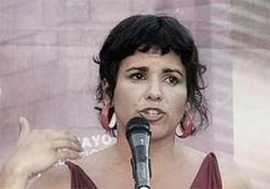 Teresa Rodriguez is a member of Izquierda Anticapitalista (IA), the section of the Fourth International in the Spanish State, who was number 2 on the radical left list Podemos which had five deputies elected at the European parliamentary elections of May 25, 2014. This interview was conducted by Francisco Artacho and is translated from the online periodical Andaluces Diario.
 Argentina afronta nuevamente un chantaje financiero, pero esta vez la extorsión no tiene precedentes. Los especuladores que compraron bonos por 48 millones de dólares lograron en Nueva York una sentencia de cobro por 1.500 millones.
 As a coalition of Sunni-based forces, including the Islamic State of Iraq and Sham (ISIS), took the major northern Iraqi city of Mosul and then most of the Sunni heartland in the north and west of Iraq, regional and western capitals went into crisis mode: the entire post-US occupation stabilisation had collapsed in a heap.
 The stadium in Phokeng outside Rustenberg exploded in jubilation when the end of the longest strike in South African history was announced on June 23. Men and women waved their arms victoriously in the air and resounding ululations and cheering reverberated as a great burden of domestic hardship lifted. Workers had changed history. They had valiantly resisted the dogged state and corporate attempt to smash their strike despite the personal hardships that they had to endure to reach this point. It was they who dealt a blow to capital because it was they who held out determinedly and who accumulated five months of unpaid accounts, became black listed, kept their kids out of schools through necessity and went without food. They are indeed, the central heroes in this story.
 La Vía Campesina's position on the International Year of Family Farming - 2014
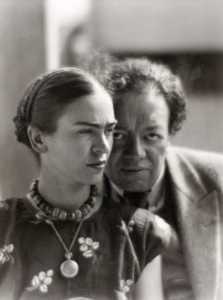 Diego Rivera (1886-1957) et Frida Kahlo (1907-1954) étaient des artistes révolutionnaires, c'est-à-dire des individus profondément engagés dans les combats politiques de leur époque, un engagement qui se traduit directement dans - une grande partie de - l'œuvre murale du premier, mais beaucoup moins dans ses peintures de chevalet. L'œuvre de Frida Kahlo est quant à elle authentiquement subversive, mais cela ne s'exprime pas, sauf pour la toute dernière période de sa vie, en des termes politiques traditionnels. Elle ne contient pas moins une sorte de protestation féministe contre la condition des femmes dans les sociétés patriarcales modernes. Ses tableaux sont personnels, autobiographiques, intimes, mais si l'on considère, l'instar du mot d'ordre fémi-niste, que «le personnel est politique», sans doute l'art de Kahlo traduit-il le désir d'affirmation des femmes : elle rompt de manière provocatrice avec l'imagerie traditionnelle de la féminité, en représentant l'accouchement, l'avortement, le fœtus, et d'une façon générale l'expérience féminine de la souffrance corporelle. Aucun des deux n'a participé à la Révolution mexicaine : Frida, née en 1907, était trop jeune, et Diego était alors en Europe. Elle ne constitue pas moins l'arrière-plan de leur engagement. On présente parfois l'histoire de cette révolution comme une succession de meurtres et d'assassinats : un soulèvement populaire renverse le dictateur Porftrio Diaz en 1911; le démo-crate Francisco Madero assume la prési-dence, mais il est assassiné par le général Victoriano Huerta en 1913. Contre la dictature de ce dernier se soulèvent Emi- liano Zapata dans le Sud et Pancho Villa dans le Nord, ainsi que l'armée constitu-tionnaliste de Venustiano Carranza et d'Âlvaro Obregôn. Ils renversent Huerta, mais bientôt la guerre civile éclate entre Zapata et Villa d'une part, Carranza et Obregôn de l'autre. Carranza fait assassiner Zapata en 1919, puis est tué par Obre- gôn en 1920. Retiré dans sa ferme, Villa est assassiné en 1923 par les hommes d'Obregôn, qui est tué à son tour en 1928, par un catholique fanatique. Cette chronique sanglante n'est pas fausse, mais il manque l'essentiel : première révolution sociale du xxe siècle, la Révolution mexicaine a profondément bouleversé les structures économique, sociale, politique et culturelle du pays. Cette «révolution interrompue» - selon l'expression de l'historien Adolfo Gilly - atteint son apogée quand les forces les plus radicales, celles de Zapata et de Villa, occupent pour quelques mois, en 1914-1915, la capitale du pays. Cette aile paysanne et populaire de la Révolution sera vaincue, mais ses adversaires devront promulguer en 1917 une Constitution qui compte parmi les plus avancées de l'époque : réforme agraire, lois de protection sociale, droit de grève, contrôle du commerce extérieur, séparation de l'Église et de l'État. À partir de ce moment, la Révolution «s'institutionnalise», et connaîtra une sorte de prolongement sous la présidence de Lazaro Cardenas (1934-1940), qui nationalisera le pétrole, approfondira la réforme agraire et établira l'éducation socialiste.
 The extremely tolerant approach to the manipulation of interest rates by the governments of the main industrialised countries shows the extent to which the ’Too Big to Jail’ principle is applied. In 2010 the media revealed that a group of eighteen banks had been manipulating the London Interbank Offered Rate (LIBOR) from 2005 to 2010. LIBOR is a benchmark rate used for a market of $350 trillion, in assets and financial derivatives, which means it is the second most important benchmark rate in the world after the dollar exchange rate. The rate is based on information provided by eighteen banks about their funding costs in interbank markets. In 2012 evidence was provided of collusion among big banks such as UBS, Barclays, Rabobank, or Royal Bank of Scotland in order to manipulate LIBOR in their own interests.
 Les 7-8 juin, une conférence des forces anti-guerre de la gauche de Russie, d'Ukraine et du Belarus a eu lieu près de Minsk. Son but était de renforcer l'unité des internationalistes des trois pays dans la lutte contre la violence endémique, contre l'hystérie nationaliste et la répression des deux côtés de la frontière russo-ukrainienne. Ci-dessous le texte de la déclaration de la conférence. Cet appel a été traduit par David Mandel. Nous invitons d'autres personnes à le signer.
  Mai come oggi il proletariato ha sentito la necessità della difesa; ma la situazione in Italia è tale ormai, per cui nessuna difesa è possibile senza addivenire alla immediata costituzione di un organo solido, perfetto, con a disposizione mezzi tecnici ed a carattere «militare».
  Il 5 gennaio 1937, sulle alture spagnole de El Matoral, una pallottola vigliacca colpiva alle spalle e uccideva Guido Picelli, vicecomandante del Battaglione Garibaldi.
  Les grandes compétitions sportives planétaires coûtent de plus en plus cher. Surtout, le Comité international olympique et la FIFA, qui commercialisent ces produits phares du divertissement mondial, sont devenus de véritables holdings sans aucun contrôle. Résultat : présomptions de corruption, optimisation fiscale, violations du droit du travail, expulsions des populations pauvres pour laisser place à des infrastructures souvent inutiles et remise en cause de la démocratie accompagnent ces évènements. Pour le plus grand profit de ces holdings et de leurs sponsors, et sous les acclamations des stades.
  The British bank HSBC (Hong Kong and Shanghai Banking Corporation) employs 260,000 people, has offices in 75 countries, and 54 million customers. |1| From its earliest days, it has been involved in the international narcotics trade. It was founded in the wake of the British victories in the Opium Wars (1839-1842 and 1856-1860) against China. These two wars were very important to the strengthening of the British Empire and the century and a half waning of China. Through the Opium Wars, the British Empire forced China to accept opium importations coming from British India. China tried to oppose this commerce, but British arms, backed by Washington, proved stronger. London established a colony in Hong Kong in 1865, where HSBC was created by a Scottish merchant specializing in the opium trade— the basis of 70% of Hong Kong trade with the Indies.